
When the Art World Comes to Seoul: What Frieze Reveals About Korea’s Cultural Rise
By Susie Park ’27
Every September, Seoul becomes more than a city that displays art. For a few days, it becomes a meeting point for artists, collectors, galleries, museums, and ideas from across the world. Frieze Seoul, held at COEX in Gangnam from September 2–5, 2026, brings together more than 125 galleries from 30 countries. More than 70 percent of participating galleries are based in the Asia-Pacific region, reflecting the increasingly prominent role of Seoul within the international art world.
What interests me most about Frieze Seoul, however, is not simply its size or international reputation. It is the way the fair reveals a changing relationship between Korea and the global art world. Seoul is no longer functioning only as a place where international art arrives to be viewed or purchased. Increasingly, it is becoming a place where artistic conversations are shaped.
For much of modern art history, cities such as New York, London, and Paris have occupied dominant positions in the international art market. Galleries, museums, collectors, and critics concentrated attention there, and artists from other regions often had to enter those systems to gain wider recognition. Frieze Seoul complicates that geography. Although the fair belongs to an international Frieze network, its Seoul edition is deeply connected to galleries, artists, materials, and histories rooted in Asia.

Image 1. MAAT, Focus section, Frieze Seoul 2026. Image: WeCap Studio. Courtesy: Frieze.
This is particularly visible in the structure of the 2026 fair. Frieze introduced two new curated sections, Material Practice and Spotlight, while expanding Focus internationally. Material Practice, curated by Hyeyoung Cho, examines the intersection of contemporary art, craft, and design, drawing on Korea’s traditions of material experimentation. Spotlight, curated by Wonseok Koh, revisits twentieth-century artists who have historically received less recognition within dominant art-historical narratives.
These sections raise an important question: who gets included in art history?
Art history is often presented as though importance naturally emerges over time, but visibility is shaped by institutions. Museums decide what enters collections. Galleries influence what receives market exposure. Critics and scholars affect which movements are studied and remembered. Art fairs also participate in this process by determining which artists and histories are placed before international audiences.
In that sense, Frieze Seoul is not simply displaying art. It is also participating in the construction of artistic importance.
Spotlight is especially interesting in this regard. The section focuses on solo presentations of twentieth-century artists, including figures whose work has been overlooked or deserves reassessment. By doing so, it challenges the assumption that the artists most familiar to us are necessarily the only ones who shaped modern art. An artist’s absence from the traditional canon does not necessarily mean that the artist lacked significance. Sometimes it means that the institutions responsible for building that canon were looking elsewhere.
Material Practice creates a similar shift. The distinction between “fine art” and “craft” has historically influenced how objects are valued. A painting may enter an art museum while a ceramic vessel, textile, or piece of furniture is categorized as decorative or functional. Yet Korean artistic traditions do not always fit neatly within these boundaries. Material Practice places craft-based and design-led practices directly within a contemporary art context, asking viewers to reconsider where art ends and design begins.

Image 2. Gagosian, Frieze Seoul 2026. Image: WeCap Studio. Courtesy: Frieze.
The fair also extends beyond COEX. During Frieze Week, public art, film, talks, music, and late-night cultural events spread across Seoul. Neighborhood Nights takes place across districts including Euljiro, Hannam, Cheongdam, and Samcheong. This citywide structure matters because it prevents Frieze from existing only as an enclosed marketplace. Visitors are encouraged to move outward into galleries, institutions, neighborhoods, and public spaces. Seoul itself becomes part of the experience.
That relationship between art and place is one of the reasons Frieze Seoul feels different from simply importing an international fair into Korea. Seoul already has its own artistic ecosystem: galleries, museums, artist-run spaces, universities, collectors, designers, and long-established cultural traditions. More than 50 exhibitors at the 2026 fair operate permanent spaces in Seoul, further showing that Frieze enters an existing cultural network rather than creating one from nothing.
At the same time, it would be too simple to view the growth of Frieze Seoul only as a cultural success story. Art fairs are also commercial spaces. Access can be unequal, artworks can become luxury commodities, and attention may follow financial power. The international art market can elevate artists, but it can also transform cultural production into prestige, investment, and scarcity.
That contradiction is part of what makes Frieze interesting.
A work of art may carry deeply personal, political, or historical meaning while simultaneously carrying a price. A traditional material may represent generations of cultural practice while appearing inside an international commercial fair. An artist can challenge existing systems through their work while participating in one of the most economically powerful structures in the art world.
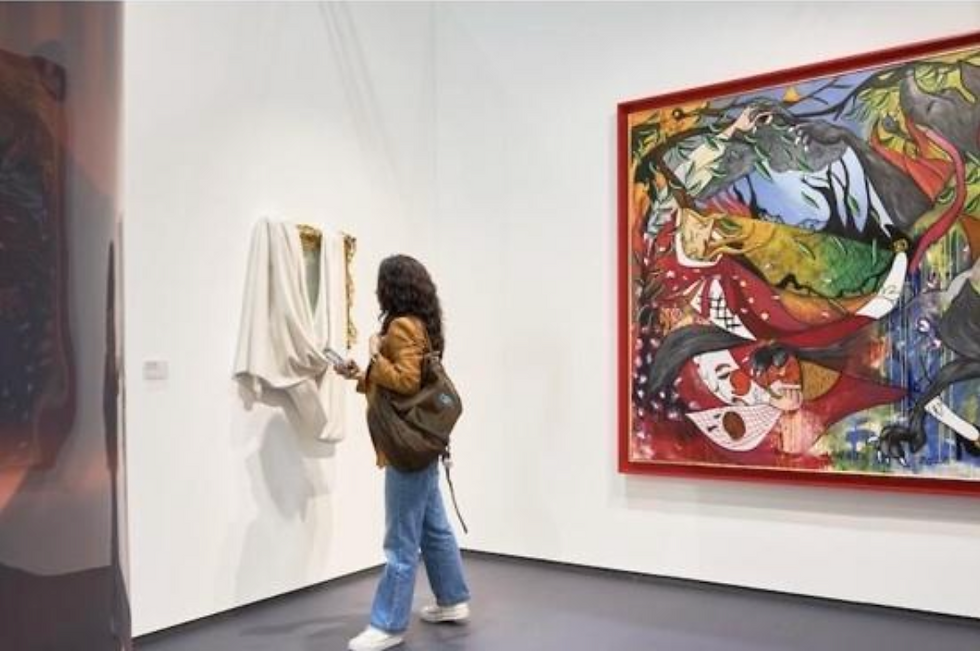
Image 3. Esther Schipper, Frieze Seoul 2026. Image: WeCap Studio. Courtesy: Frieze.
Frieze Seoul therefore reflects two sides of contemporary art at once: art as cultural expression and art as global capital.
Yet these forces do not completely cancel one another out. International visibility can give Korean and other Asian artists access to wider audiences, encourage institutions to reconsider overlooked histories, and expose visitors to practices they may otherwise never encounter. The important question is not simply whether globalization is good or bad for art, but who is given the power to shape it.
For Seoul, that distinction matters.
The most significant sign of Korea’s growing cultural influence is not simply that international galleries are coming to Seoul. It is that Seoul increasingly has the ability to influence what those galleries, collectors, institutions, and visitors are looking at.
Ultimately, Frieze Seoul represents something larger than an art fair. It reflects a gradual redrawing of the cultural map. The international art world is becoming less dependent on a small number of traditional Western centers, while cities across Asia are gaining greater influence over what is exhibited, collected, discussed, and remembered.
For a few days in September, thousands of artworks occupy the halls of COEX. But what is really being displayed may be something less visible: a shift in where the art world believes its center can be.
References
Frieze. “All the Galleries You Can See at Frieze Seoul 2026.” June 9, 2026.
Frieze. “What Not to Miss at Frieze Seoul This Year.” August 21, 2026.
Frieze. “In Pictures: Frieze Seoul 2026.” September 3, 2026.


Comments